



Enterprise ▸ Industries ▸ Automotive ▸ Pilots ▸
Automotive Pilot #5: Counterfeiting
Executive Summary
SagaAutomotive™ Pilot 5 Counterfeit & Unauthorized Part Prevention
The Breakthrough
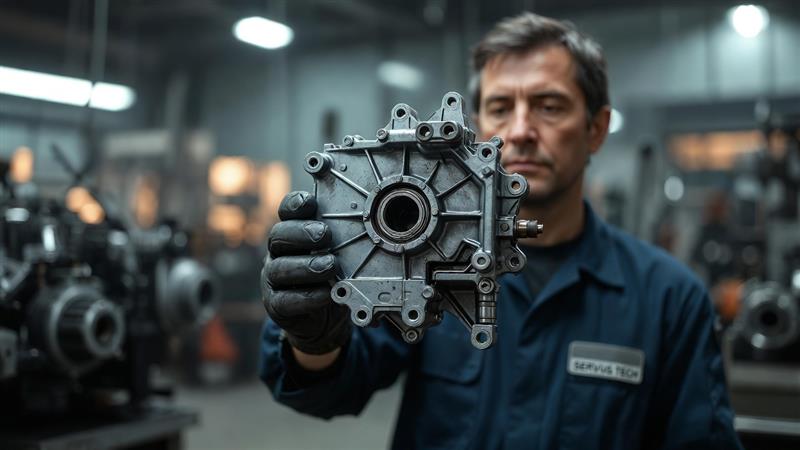
Pilot 5 delivers a breakthrough solution to one of the automotive industry’s most persistent and costly risks: counterfeit parts and unauthorized substitution within supply chains, service networks, and aftermarket channels. Using SagaChain™, Pilot 5 introduces authenticated material lineage and runtime evidence anchoring through a persistent object model built into the Automotive Global Class Tree.
The Problem Today
Counterfeit and unauthorized automotive parts create significant safety exposure, regulatory risk, and legal liability across OEMs, suppliers, dealers, and service centers.
Poor-quality or substituted components drive warranty claims, recalls, rework, and litigation, resulting in substantial financial losses across the supply chain.
Chain-of-custody data is fragmented across ERP systems, distributor logs, GS1 registries, and service records, making real-time validation difficult.
Service centers and distributors lack a unified, verifiable provenance spine linking GTIN, EPCIS events, and vehicle installation records.
What Pilot 5 Achieves
Using SagaChain’s open Automotive Class Tree (saga_supplychain.automotive.base), Pilot 5 introduces authenticated component lineage and substitution detection that is:
Provenance-Anchored
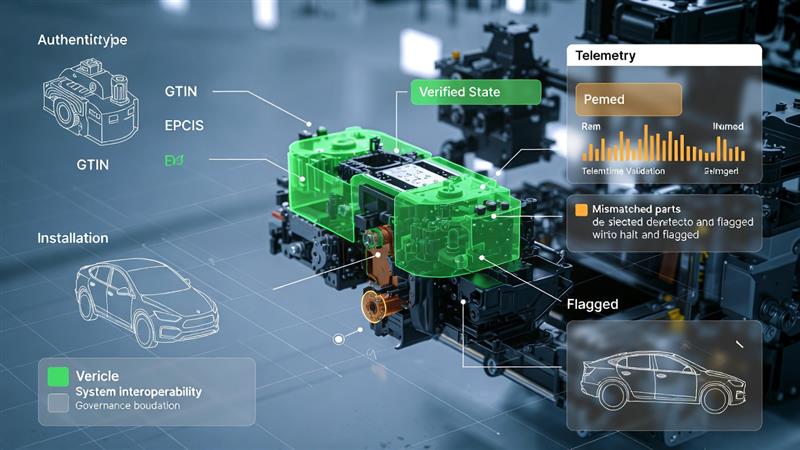
Each ComponentBase(part_number) binds GTIN and EPCIS chain-of-custody events through TraceabilityMixin.bindEPCIS(), creating an immutable evidence spine on-chain.
Cross-System Validated
GS1EPCISBridge.sync() and SAEJ1939Bridge.sync() connect external supply-chain and telemetry signals into a unified runtime object model.
Runtime-Detectable
Installation events and telemetry cross-checks expose unauthorized substitutions or mismatched parts before downstream safety or recall exposure escalates.
Governance-Bounded
SagaChain stores provenance evidence and flags mismatch conditions but does not block physical installation, impose penalties, or determine liability.
Real-World Benefits
For OEMs & Tier 1/Tier 2 Suppliers
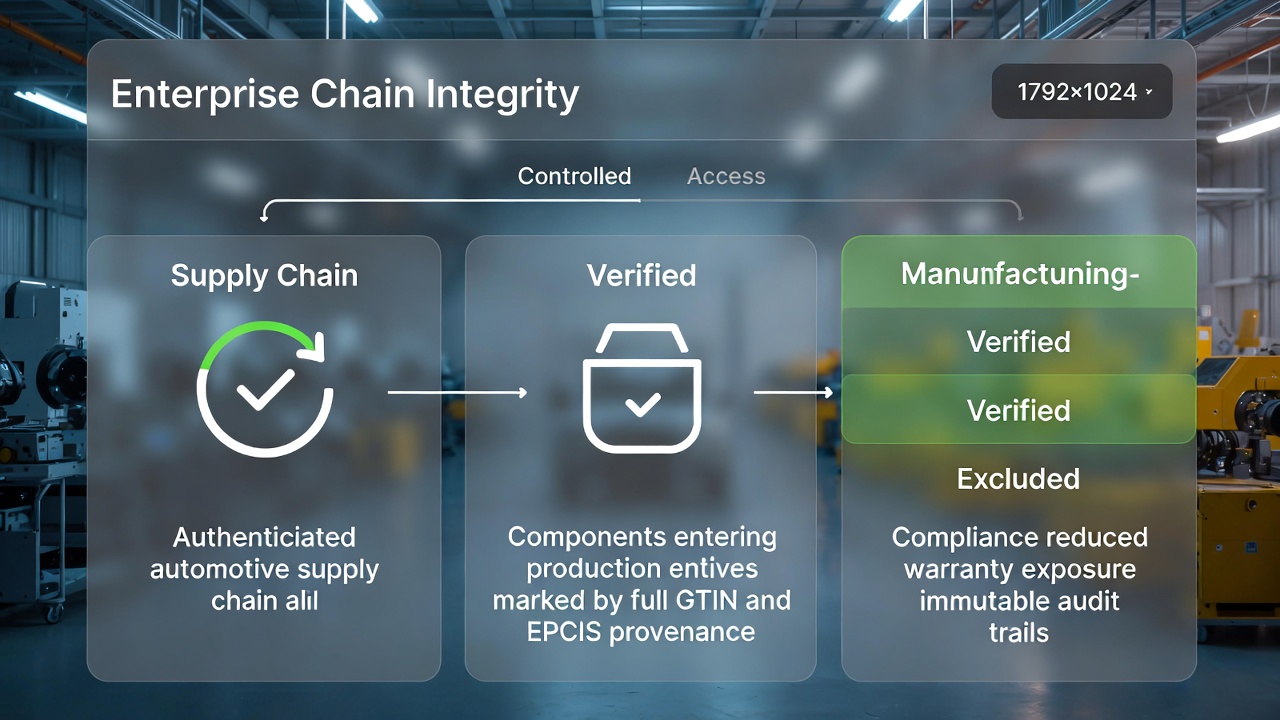
Reduce counterfeit infiltration and substitution risk through cryptographically anchored GTIN + EPCIS validation.
Lower warranty and recall costs driven by poor-quality or unauthorized components.
Improve regulatory defensibility by maintaining immutable provenance records for audit and litigation contexts .
For Distributors & Service Networks
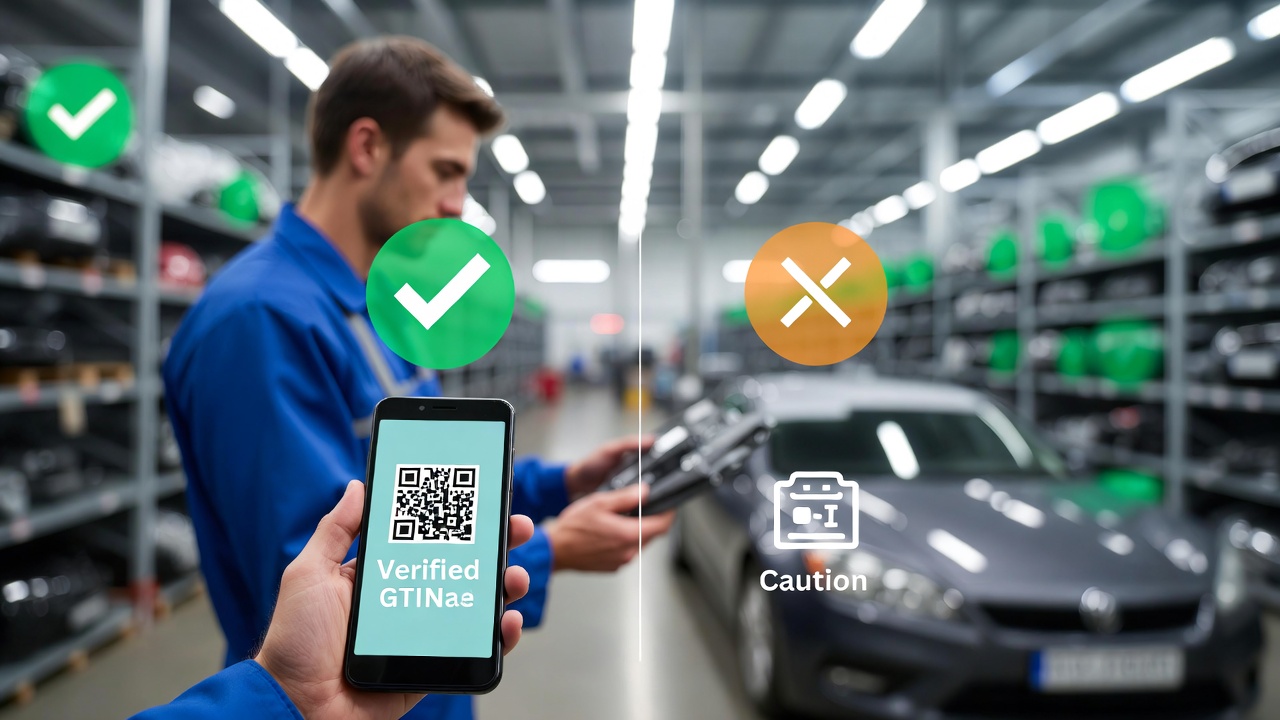
Instantly verify part authenticity prior to installation.
Detect substitution mismatches against authorized distributor lists and GTIN registries.
Reduce returns, rework, and service disputes stemming from incorrect or counterfeit parts.
For Regulators & Safety Authorities
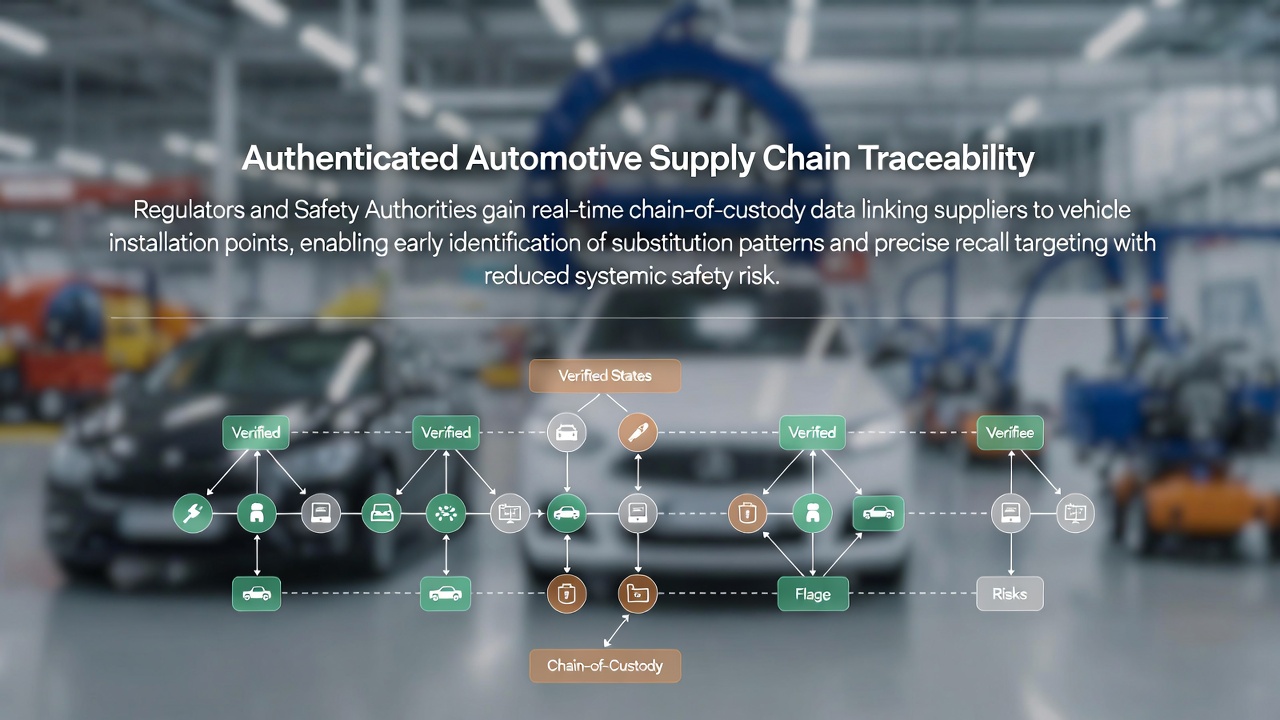
Gain real-time visibility into authenticated chain-of-custody evidence for recalls and safety investigations.
Lower systemic recall and safety risk by surfacing substitution patterns early.
Industry-Wide Impact
Conservative industry exposure estimates place counterfeit and poor-quality cost impact in the tens of billions annually.
Even a 15–30% reduction in unauthorized or poor-quality parts could translate into $3–6 billion in annual industry benefit.
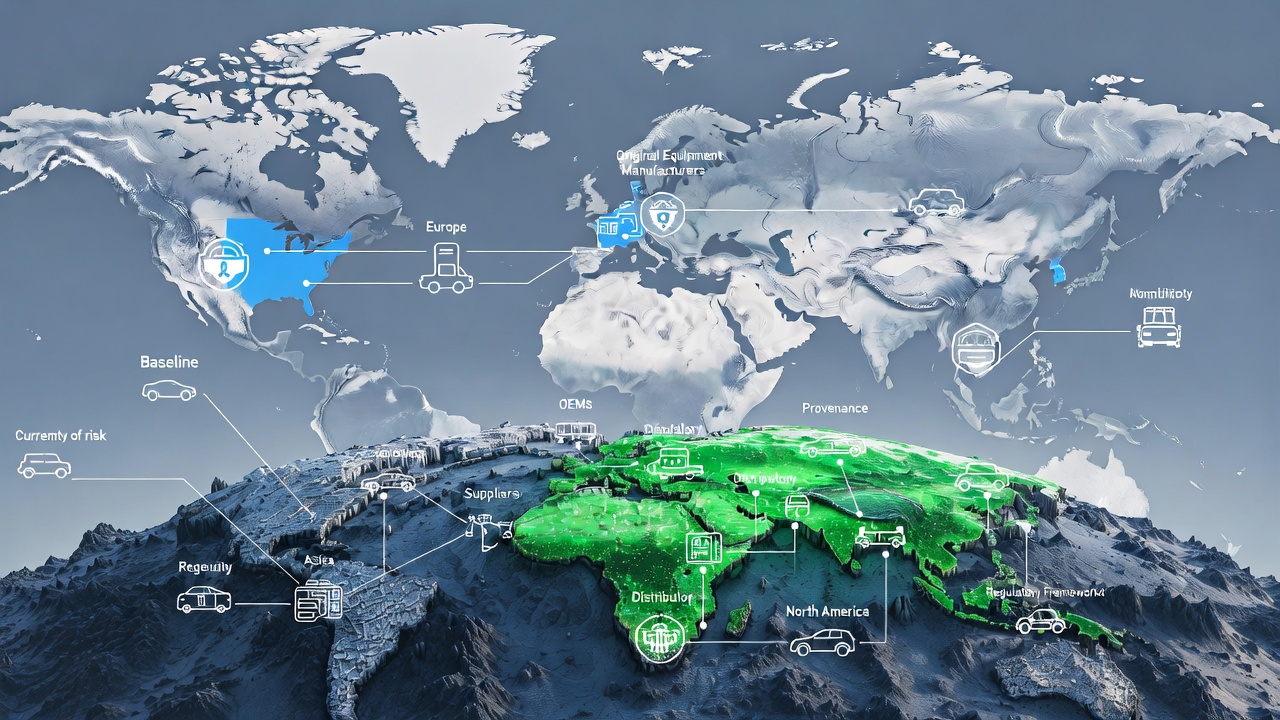
Establishes a standardized, global provenance layer compatible with GS1 EPCIS, SAE J1939, ISO 3779 (VIN), UNECE WP.29, NHTSA FMVSS, and EPA 40 CFR frameworks as reflected in the Automotive Class Tree inventory.
Available now (on public development testnet) for review and testing
Pilots starts in ~90 days
Pilot 5 is live on the SagaChain testnet today – low-risk, standards-aligned, and ready for authenticated component and service-center validation.
We invite OEMs, Tier suppliers, distributors, dealership networks, GS1 participants, telematics providers, safety regulators (e.g., NHTSA), and industry standards bodies to:
- Test counterfeit detection workflows using your own GTIN and EPCIS datasets.
- Validate cross-system bridge synchronization (GS1 EPCIS + SAE J1939).
- Map authorized distributor lists into the persistent class tree.
- Take shared custodianship of the Automotive Class Tree to prepare for global production launch.
This is more than a traceability pilot – it is the foundation for a safer, legally defensible, and economically resilient automotive supply ecosystem.
More than a technical pilot…
Join us to verify and shape it.
Contact: [email protected]
The automotive community has a unique opportunity to take custodianship of this transformative class tree. By verifying EPCIS bindings, completing authorized distributor mappings, integrating telemetry validation, and collaboratively refining governance boundaries, participants can materially reduce warranty exposure, recall risk, and litigation costs while strengthening brand trust and regulatory alignment.